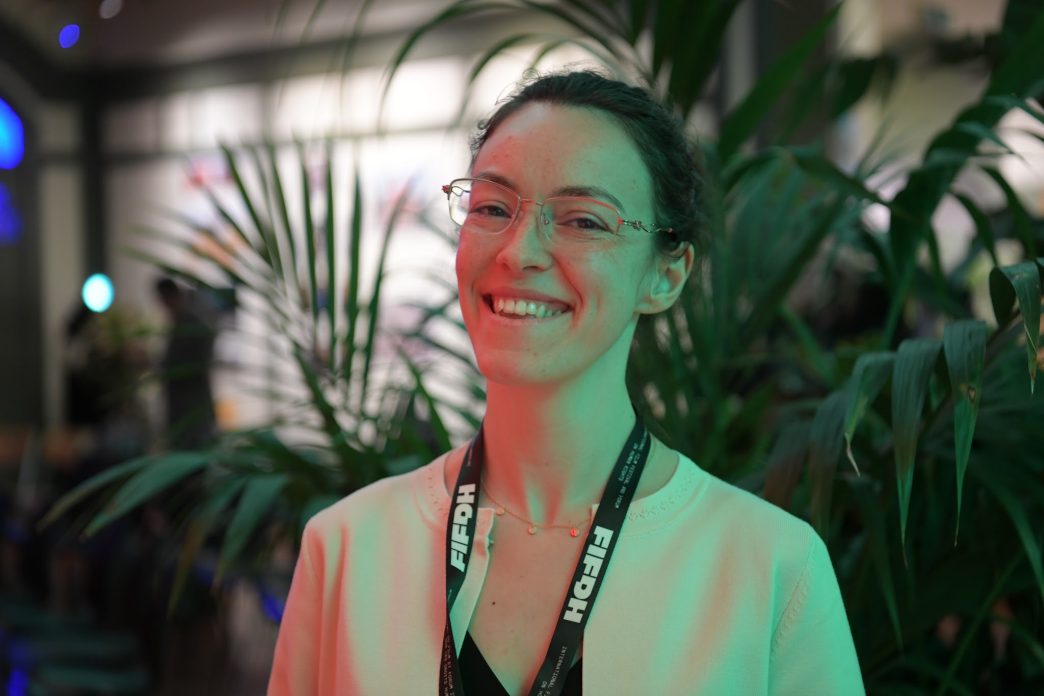
A rewilding project focused on restoring ecosystems along a 120,000-hectare corridor in northern Portugal’s Greater Côa Valley is helping to power the growth of an increasingly vibrant nature-based economy. “Rewilding can be beneficial for people as well,” told Blindspot Marta Calix, Head of Ecological Restoration at Rewilding Portugal.
This major rewilding project site started in 2019 in the Greater Côa Valley, a 318,000-hectare, 140-km long ecological corridor in Portugal’s Guarda district, connecting the Malcata mountain range to the Douro Valley. One of its implementation axes is to create opportunities for local entrepreneurs to start and develop businesses that connect people with nature, while supporting rural lives and livelihoods, and further advancing rewilding.
“Rewilding Portugal set in motion the Wild Côa Network, connecting about 70 businesses to work in partnership in the Greater Côa Valley landscape, from local accommodations to restaurants, local producers, everyone is working together on these touristic packages and we’re marketing the region as a great destination for nature-based tourism, conservation tourism,” Calix explained. “We are basically tourism promoters, we run our own touristic experiences.”
Rewilding is the process of restoring an area of land to its natural uncultivated state with the reintroduction of species of wild animals that have been exterminated or driven out.
Characterised by its river gorges, oak forests, rocky heathlands and scattered fields, the Greater Côa Valley is a region with one of the highest land abandonment levels in Europe. Rural depopulation and land abandonment have seen grazing livestock numbers plummet. Increasingly covered by dense scrub or monotonous forest such as pine and eucalyptus plantations, the landscape becomes very susceptible to catastrophic wildfires.
Bringing back grazing with wild and semi-wild herbivores, creates not only better connected and more biodiverse mosaic landscapes, but also open spaces that act as effective firebreaks, significantly reducing the risk of fire.
“It’s been seven years that Rewilding Portugal has been working in the landscape with already things to show for it,” said Calix. “We own nature reserves in the Greater Côa Valley where we bring large grazers and where we do a lot of demonstration of what rewilding can look like in practice. We also do a lot of work with local communities showing them how rewilding benefits both nature and people.”
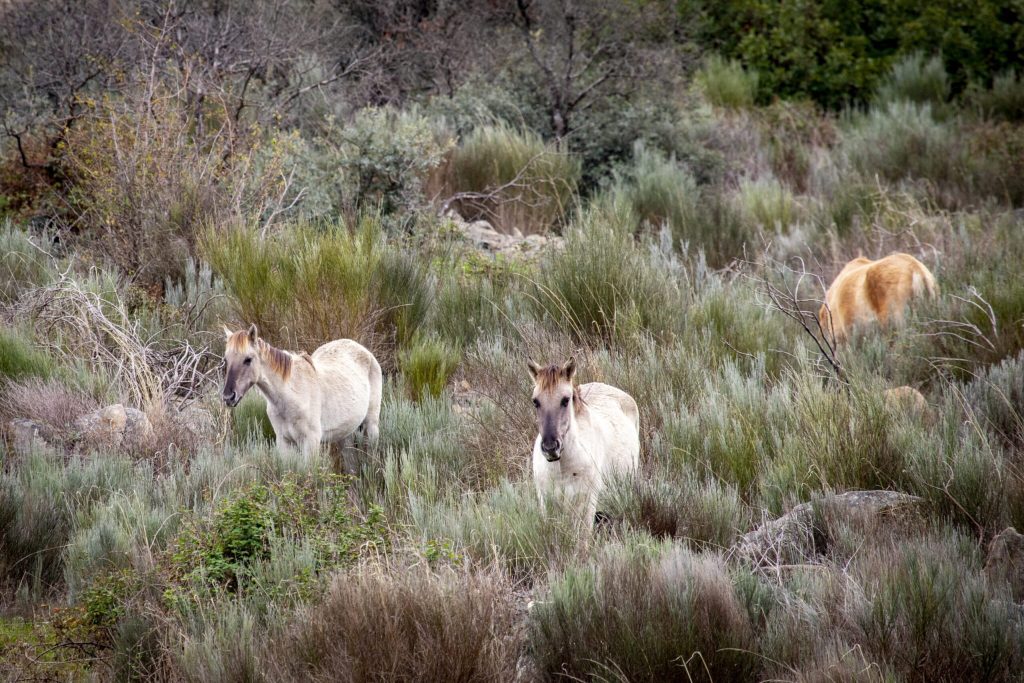
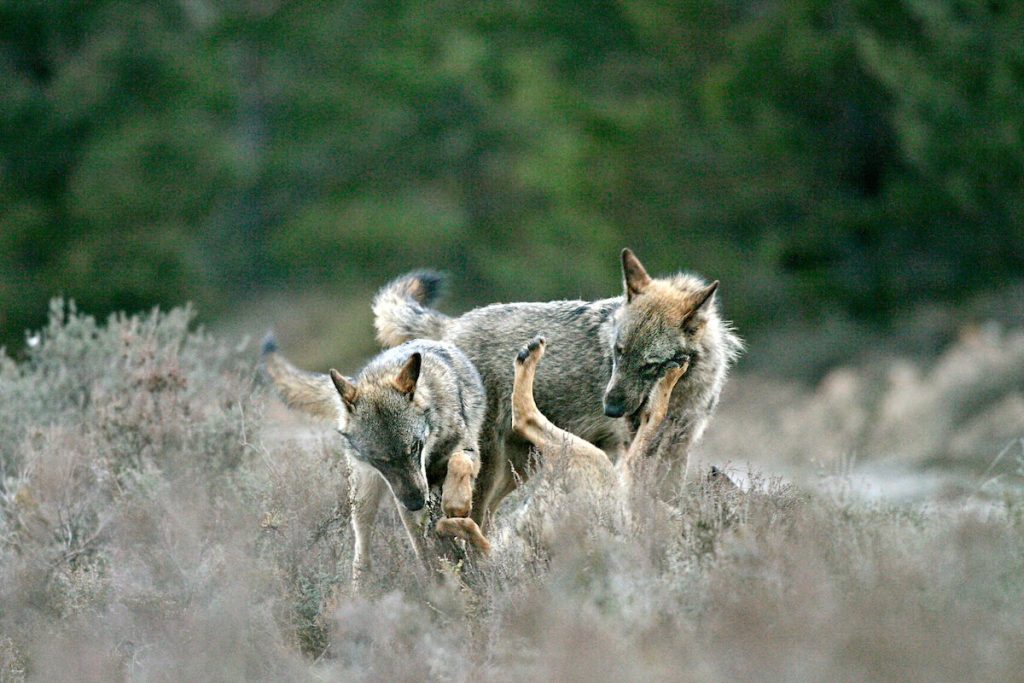
Two species of large grazers have been reintroduced by Rewilding Portugal in the Greater Côa Valley: the tauros, a specially bred version of the aurochs, the extinct ancestor of modern cattle; and the Sorraia horses, a rare breed of horse indigenous to Portugal. There is a growing population of wild herbivores such as wild boar, roe deer, and red deer, but also colonies of booted eagle and cinereous vulture, as well as two iconic species native to the Iberian Peninsula, the Iberian wolf and the Iberian ibex.
Rewilding Portugal has a couple of live projects which are EU-funded, but by and large its funding is private and comes from abroad. The initiative is supported by funding for ecological restoration, foundations, philanthropic initiatives, the Endangered Landscapes and Seascapes Programme, but not at the national level.
Rewilding Portugal works in partnership with a network of 11 European rewilding areas under the umbrella of Rewilding Europe, a pan-European organisation which is based in the Netherlands. “The benefit of doing this as a network is that we get to learn from each other, through gatherings and knowledge exchanges,” stresses conservation biologist Marta Calix. “People that are working in coexistence in different landscapes across Europe can sort of exchange ideas and tips and it’s good because what works well then can be replicated in other landscapes across the continent.”
Having previously worked sporadically with schools, this year into 2026 Rewilding Portugal launched an educational programme aimed at younger and senior generations. “We’re doing it in three stages and it’s actually for schools and for seniors,” explained Calix. “The first bit is just telling them about rewilding, the second bit is bringing them to the rewilding areas and showing them, and the third bit is actually going to be sort of this intergenerational boot camps where we bring the kids and the older people together and help them to also share knowledge, talk about rewilding and get everyone involved.”
The team is committed to scale up to other landscapes. “We’re currently only working in the Greater Côa Valley, but our ambition is to make Portugal a wilder place, so we want to have the resources to scale up our work to other landscapes in Portugal, to mainstream rewilding, also in terms of the political agenda, in terms of getting the whole of Portuguese society behind this concept and really being a rewilding nation,” highlights Marta Calix.
Nelson Pereira