Aspiring to a better world isn’t enough to change what’s wrong if we remain quiet in our corner. However, when it comes to action, another fundamental challenge arises: choosing strategies that yield results. Realising that years of struggle have changed little or nothing can be a harsh experience.
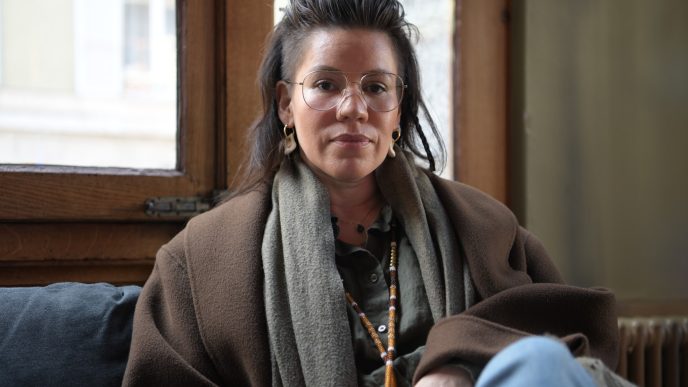
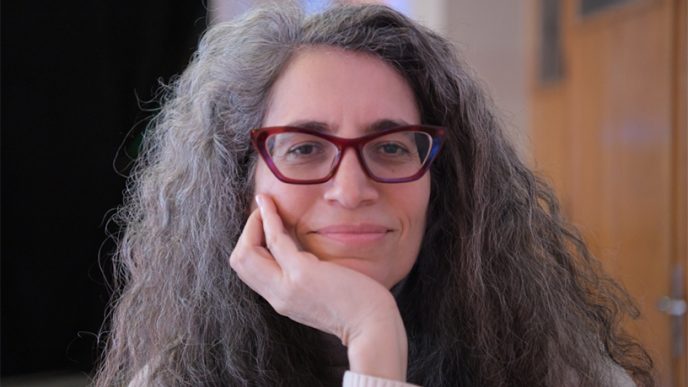
The Dutch environmental activist Pippi van Ommen took this difficult path when forced to question whether years of engagement in high-stress activism had truly been effective. “After focusing mainly on civil disobedience, I realised it was important to meet people outside our circle. Political change will only happen if we reach out to others to build community,” she told Blindspot.
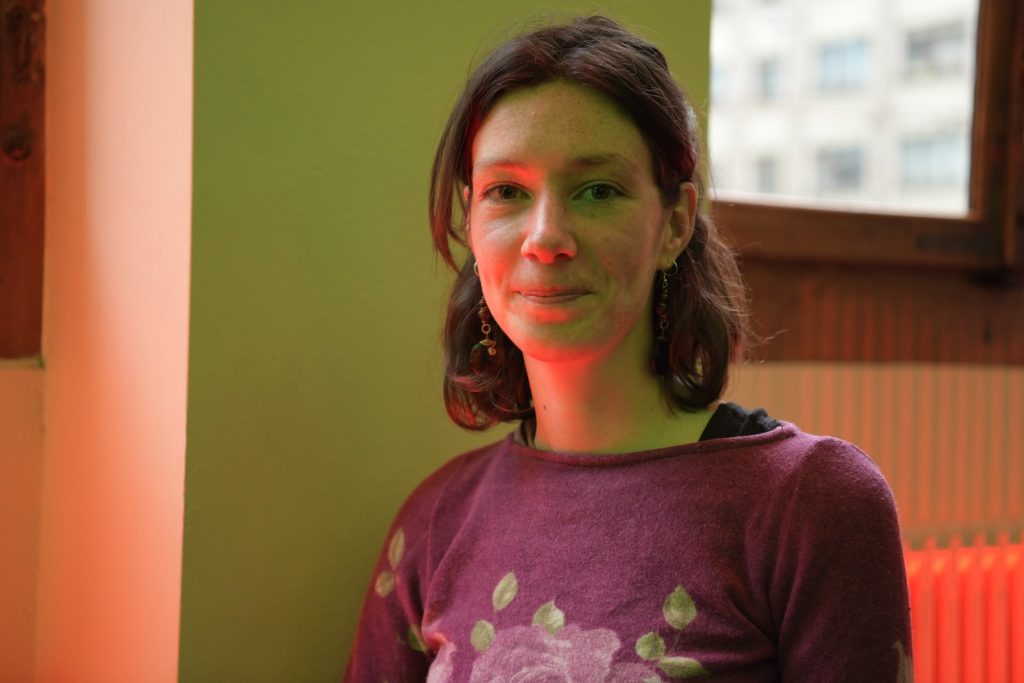
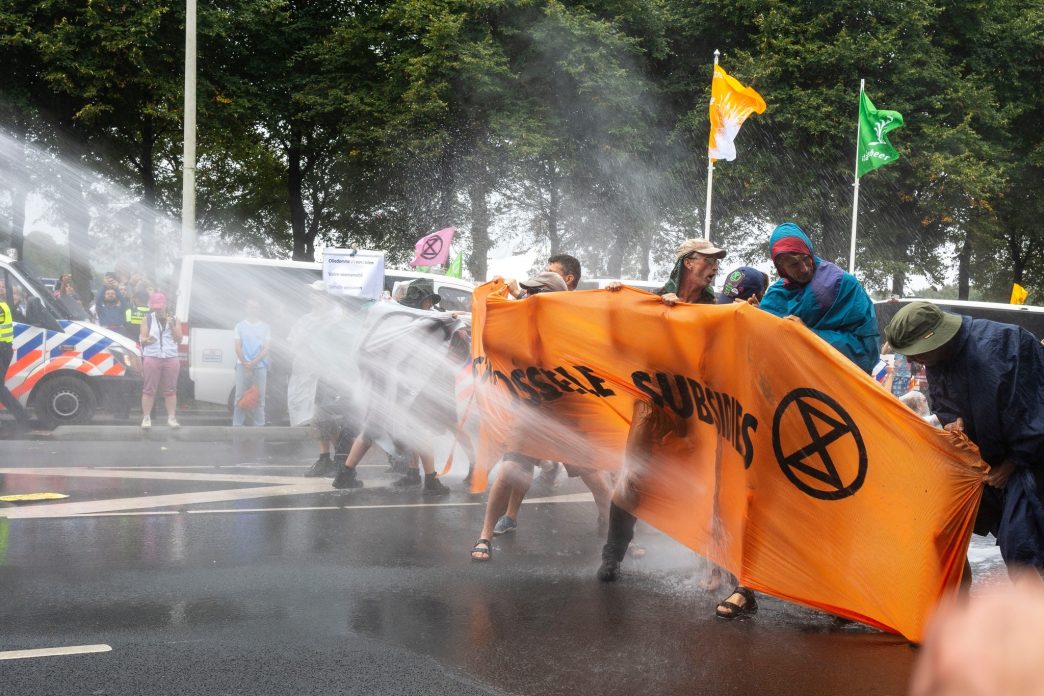
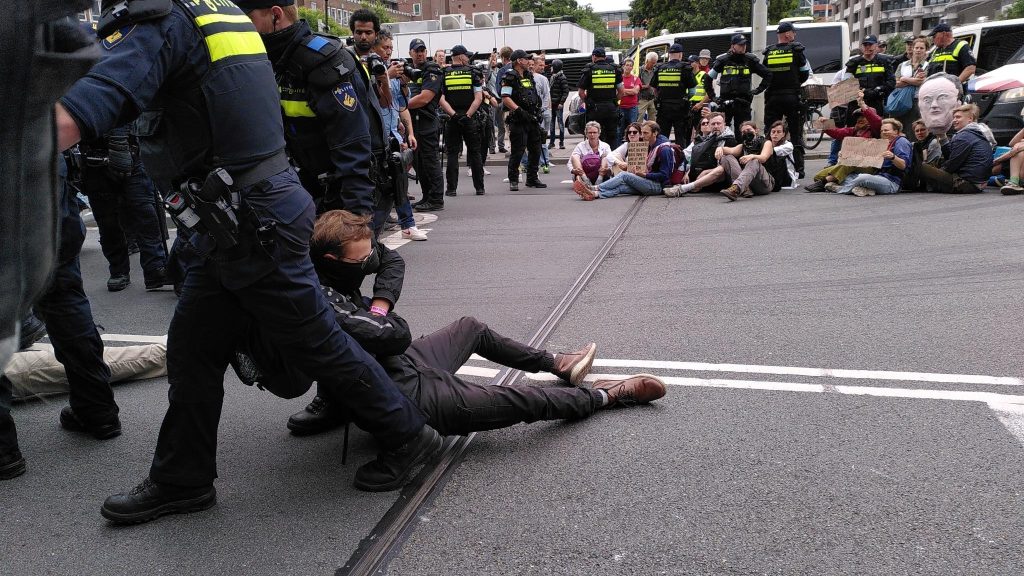
Co-founder of Extinction Rebellion (XR) in Amsterdam, Pippi van Ommen was on the front lines of disruptive actions, such as gluing themselves to roads to halt traffic, staging die-ins and blocking infrastructure to signify the urgency of climate change.
Pippi is one of three passionate idealists, along with Berlin anti-fascist Tadzio Müller and Dutch Special Envoy for Water to the UN Henk Ovink, who, in the documentary “The System” by director Joris Postema, are seen approaching burnout as they realize their actions, demonstrations, and conferences come to nothing while the situation in the world only gets worse. Faced with defeat, long-postponed questions arise: Who am I trying to build with? Who are my allies? What tactics will work best?
“When Joris asked me to be part of the film, I initially refused; I didn’t want that kind of exposure. Joris filmed me for two years and it’s already two years ago,” she said, on the occasion of the screening of the documentary at the Geneva International Film Festival and Forum on Human Rights.
When she started out in climate activism, Pippi was sure they needed civil disobedience in their arsenal—to master it and build movements around it. “I used to glue myself to roads and get arrested; my parents had to come and get me from jail. When people see that you’re willing to take risks, that you care enough to act, they are led to reflect on it.”
But after a while, she began to think the environmental justice movement should keep that while exploring other tactics. Then she realised that what they were really missing was reaching out to people, building a movement with them, or at least try. “Activism needs to be made human, not just abstract or antagonistic. We also need to be creative, and this requires flexibility. Arrests can be one tactic among others, but they should not be the only one.”
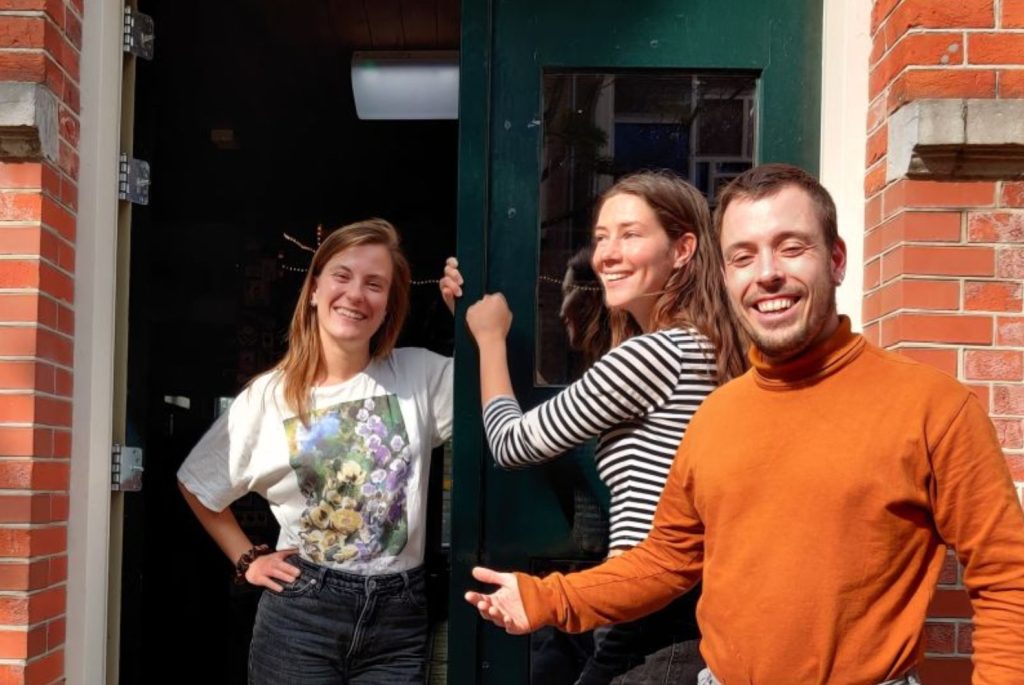
Inspired by the movement Deep Canvassing in the USA, Pippi van Ommen co-funded Deep Canvassing Netherlands. The Dutch organisation trains volunteers to have judgment-free, in-depth conversations from house to house on polarised topics. This tactic has proven to be able to inoculate people against right-wing fear-messaging, lastingly reduce prejudice, and change hearts and minds on divisive issues. “I’ve been doing it now for two years. And I think I’ve had a thousand conversations and knocked on so many doors.”
Sometimes, during a difficult conversation where empathy is lacking, a detail suddenly opens up the person and completely breaks the ice. “Maybe one year ago, I was talking to a Dutch man and it was a very frustrating conversation. He was like 80 years old and he didn’t really understand what we were doing or what I wanted from him. I really didn’t feel like I was touching him or he was touching me. Like we were just talking alongside each other. We were talking about migration. I was trying to break through the scapegoat narrative, but we weren’t really going anywhere. And then I was about to leave the conversation and he said to me, ‘Wait a second. You were asking me if I know someone who didn’t have access to basic things like food and stuff.’ And I was like, yeah, that’s how I opened the conversation. And he said, ‘I don’t know anyone, but I was that someone.’ And then tears sprang to his eyes and he started crying. ‘When I was a young boy, there was a second world war and there was a time of hunger, real hunger. And my mom sent me out with little pots and I had to go out to the streets and I was only allowed to come back home when the pot was filled with food.’ He told me he felt ashamed to go to the neighbours, to talk to anyone, and was standing outside, shivering there in the cold. And suddenly during our conversation, thinking about it, even though he had forgotten it, it really moved him. And it moved me. And then he continued. ‘You asked me, you wouldn’t wish that upon anyone, right? Well, no, I wouldn’t wish that upon anyone.’ And then we came back to migration, back to the story. And something really shifted there. Like he really changed his mind.”
Hundreds of conversations door-to-door with strangers who held differing opinions solidified a conviction in Pippi. That mainly and fundamentally, people are good. And that actively listening and sharing personal stories to connect on shared values is the path to bridge societal divisions, reduce polarisation, and build communities based on solidarity. “We need a diversity of tactics. Civil disobedience remains important, but so do movements that build strong communities. We must actively engage with people, offer different narratives, and challenge those that dominate the public conversation.”
Admitting that the fight is not easy when there are powerful financial forces on the opposing side, the Dutch environmental activist underlined that part of the responsibility falls on the citizens, because if they do not get involved, democratic institutions become empty structures. “Many people feel disappointed by democracy because it doesn’t deliver what it promised. But part of the responsibility lies with us, as we’ve stopped engaging. Institutions like the United Nations were created decades ago with the idea that they could coordinate global action. Yet, these institutions only truly have power if people mobilize around them and give them political weight. A democracy is truly alive when people organize and keep democratic systems under pressure.”
Also, knocking a door and having a conversation is just a tactic, and it doesn’t do anything if it’s not part of a bigger strategy. “There is some true value in being an individual and celebrating that, but I think we’ve gone way too far. We have to also be in community and know how to do that. Why is it so difficult to build a mass movement right now? It’s because we are too individualistic. We’ve forgotten how to.”
Nelson Pereira